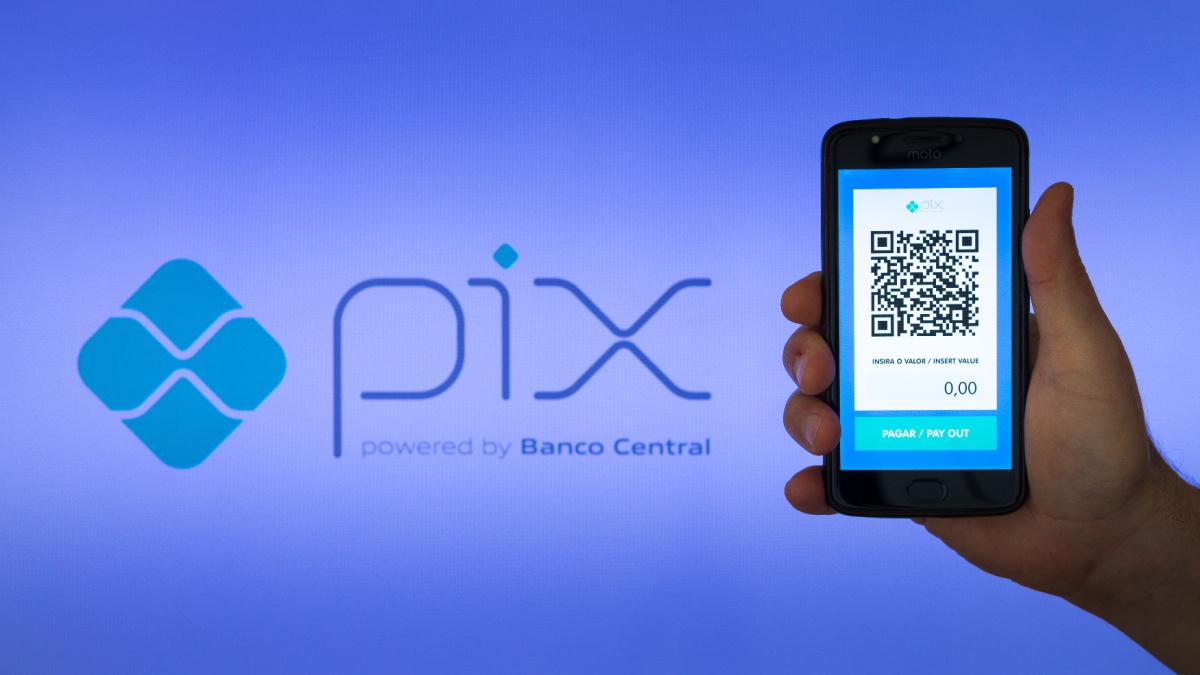
Regulations for Pix Instalment, or Pix Parcelado, will come into effect at the end of October 2025, according to the Brazil Central Bank.
The regulations were initially set for September but were postponed in order to establish standardisation and definitions of the product, as well as improve the user experience of Pix Installment.
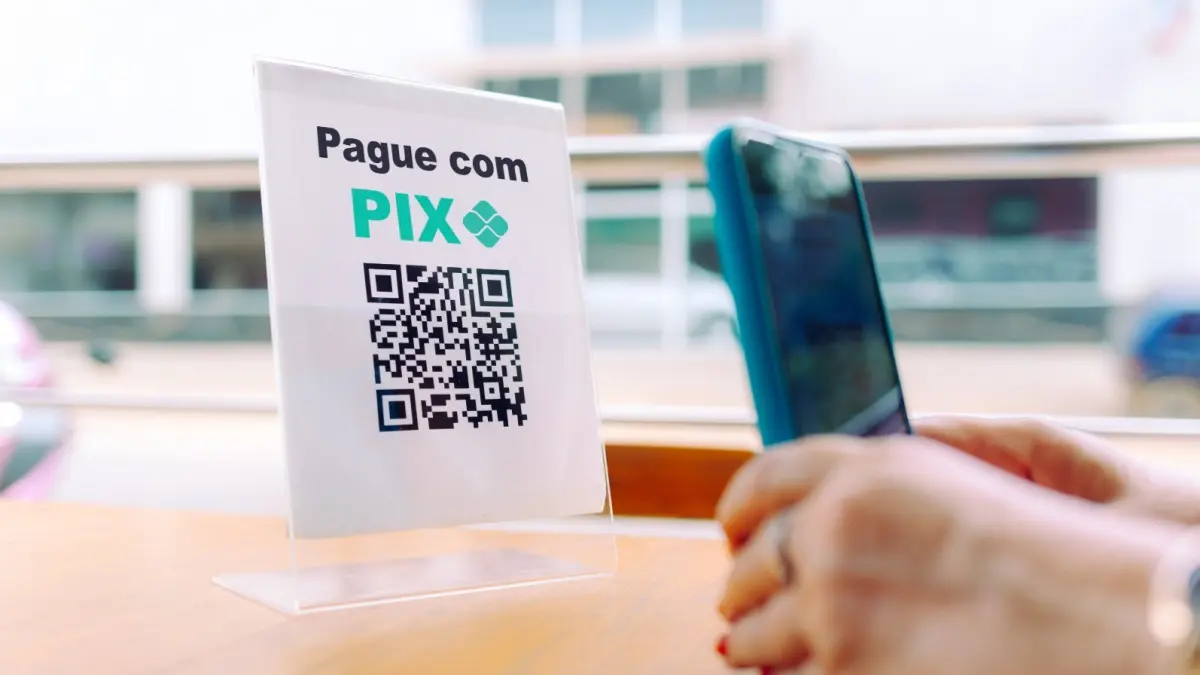
The new Pix payment method feature will enable users in Brazil to split the cost of purchases into installments, without limits on credit card transactions or the need for a credit card. Merchants will be able to receive the full payment regardless of how many installments the user opts to spread the cost.
Pix Parcelado was announced in April 2025 by the Brazil Central Bank as a value-added service for Brazilian users and an alternative to credit cards in a bid to further promote financial inclusion.
In developing regulations for Pix Parcelado, the instalment-based payment method went live for businesses and merchants registered upon its launch in April. However, they will have to comply with the new standardised rules in late October.
An adaptation period is still set for March 2026 in order for the Brazil Central Bank to address potential friction points with Pix Parcelado and update any standards and regulations if required.
Once Pix Parcelado regulations are officially implemented, there is an unspecified period of time for businesses to integrate and comply with these rules and have their payment systems modernised.
The second phase of the regulatory roadmap will see the Brazil Central Bank publish requirements centred around user experience and operational standards in December 2025, intended for existing credit and instalment payments linked to Pix.
New fraud measures
Elsewhere within the Pix ecosystem, the Brazil Central Bank launched new security rules to help prevent fraud for Pix transactions.
The bank announced on October 4 it will block Pix keys from any financial institutions or payment service providers it deems unsecure from scams, fraud or any other illicit monetary activities.
Pix keys act as personal identifiers and are stored in the wider Pix ecosystem. They typically serve as a way for users to receive funds without sharing personal banking details or information, such as government ID, phone number, or email address. This personal information is stored within the Pix system to link to the receiver’s account in order to perform the instant transaction.
While the speed in which the Pix keys helps perform instant payments, the Brazil Central Bank will have grown wary of the threat of fraudsters tapping into this personal information, especially as more than 76% of Brazil’s population use Pix.
With the new fraud security measures now in place, the Brazil Central Bank intends for the blocking of Pix keys to unsecure financial institutions to provide an additional layer of security to its users.